Can You Leave Your Dog Alone at a Campsite Safely?
Leaving your dog alone at a campsite can be risky, depending on the environment, your dog’s behavior, and campground rules. While some dogs can handle short periods alone, many become anxious, vocal, or unsafe when left unattended outdoors.
In this guide, we’ll break down when it’s okay, when it’s not, and how to handle it safely when camping with your pet.
Quick Picks
🎯 Best for Secure Containment
Amazon Basics Folding Metal Dog Crate
Simple, widely available crate that provides a secure, enclosed space for short periods at a campsite.
Price: ~$30–$90
👉 Check Price & Reviews on Amazon
🪢 Best for Controlled Freedom
Petest Reflective Dog Tie-Out Cable
Allows limited movement while keeping your dog safely within your campsite.
Price: ~$15–$30
👉 Check Price & Reviews on Amazon
🔔 Best for Awareness
Nite Ize SpotLit LED Collar Light
Helps you quickly locate your dog if visibility changes or they move unexpectedly.
Price: ~$10–$20
👉 Check Price & Reviews on Amazon
🧠 Best for Anxiety Prevention
ThunderEase Dog Calming Pheromone Collar
Helps reduce stress-related behaviors when your dog is left alone briefly.
Price: ~$20
👉 Check Price & Reviews on Amazon
Can You Leave Your Dog Alone at a Campsite?
It Depends on the Campground Rules
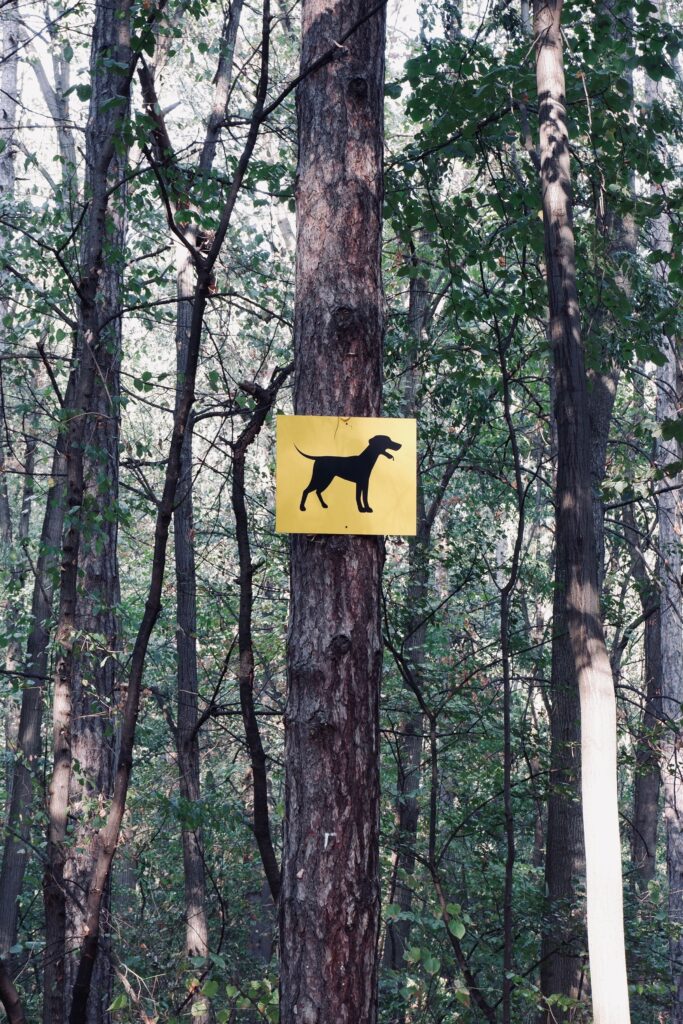
Many campgrounds do not allow dogs to be left unattended, even for short periods. These rules are usually in place to prevent barking complaints, safety issues, and interactions with other campers. Always check ahead—breaking the rule can get you asked to leave.
It Depends on Your Dog’s Behavior
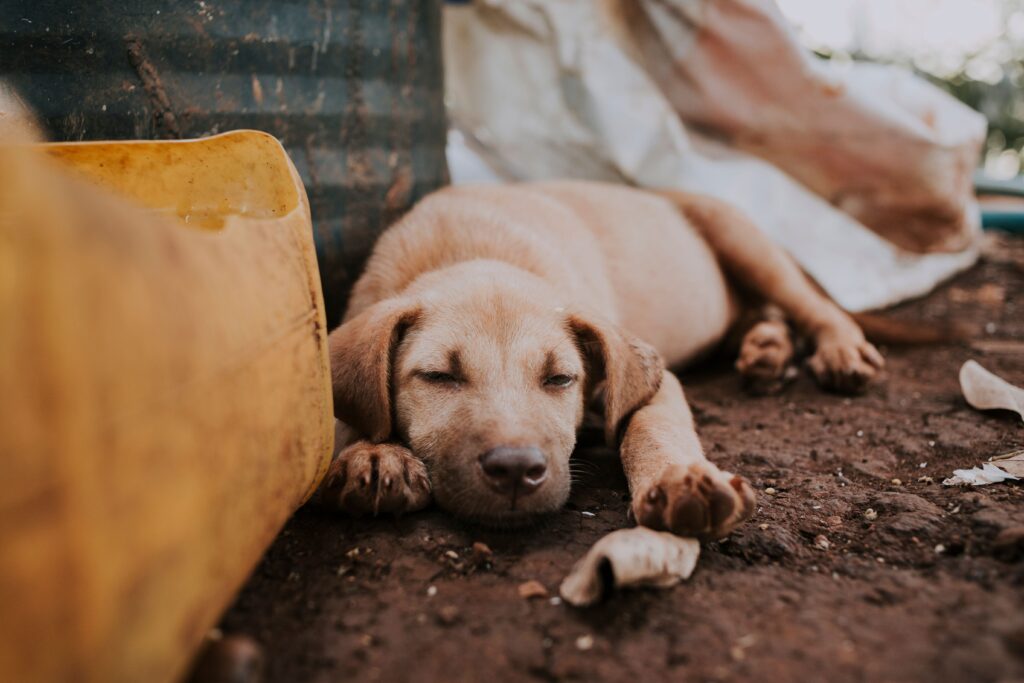
Some dogs can stay calm for a short time, but many become anxious, vocal, or destructive when left alone in a new environment. Even if your dog is fine at home, camping introduces unfamiliar triggers. If your dog has separation anxiety or tends to bark, it’s not a safe situation.
It Depends on the Environment
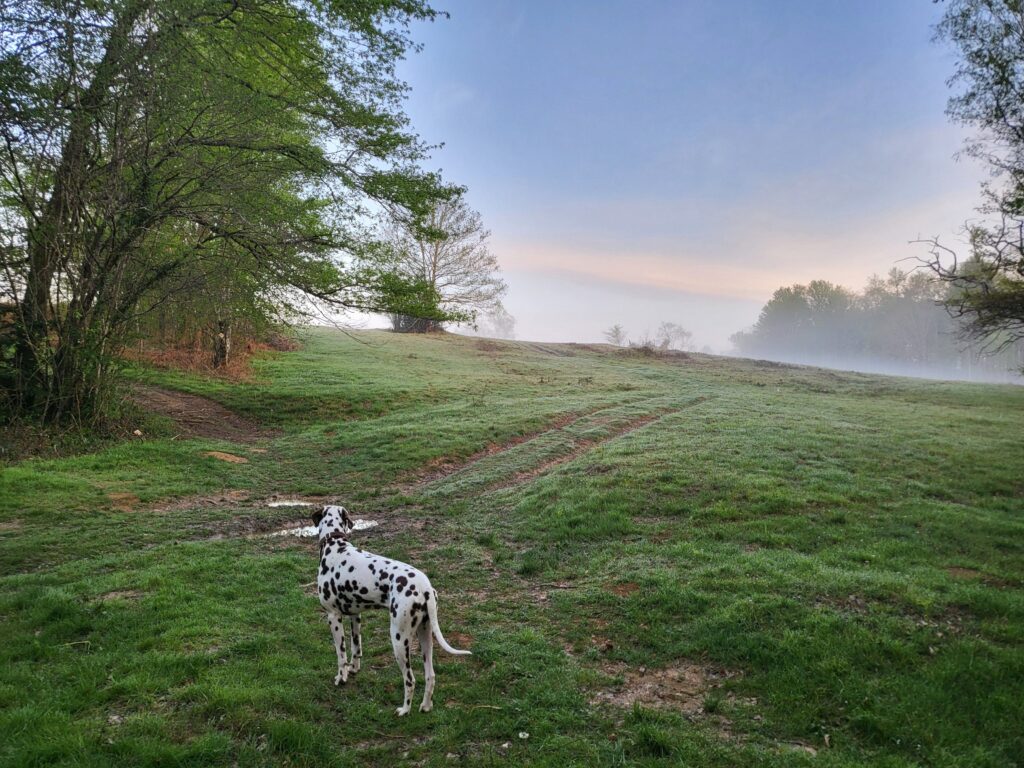
Campsites are unpredictable, with wildlife, people, and constant movement nearby. These factors can stress your dog or trigger reactive behavior when you’re not there. Leaving your dog alone in a busy or exposed area increases risk significantly.
How to Leave Your Dog Alone More Safely
Keep It Short
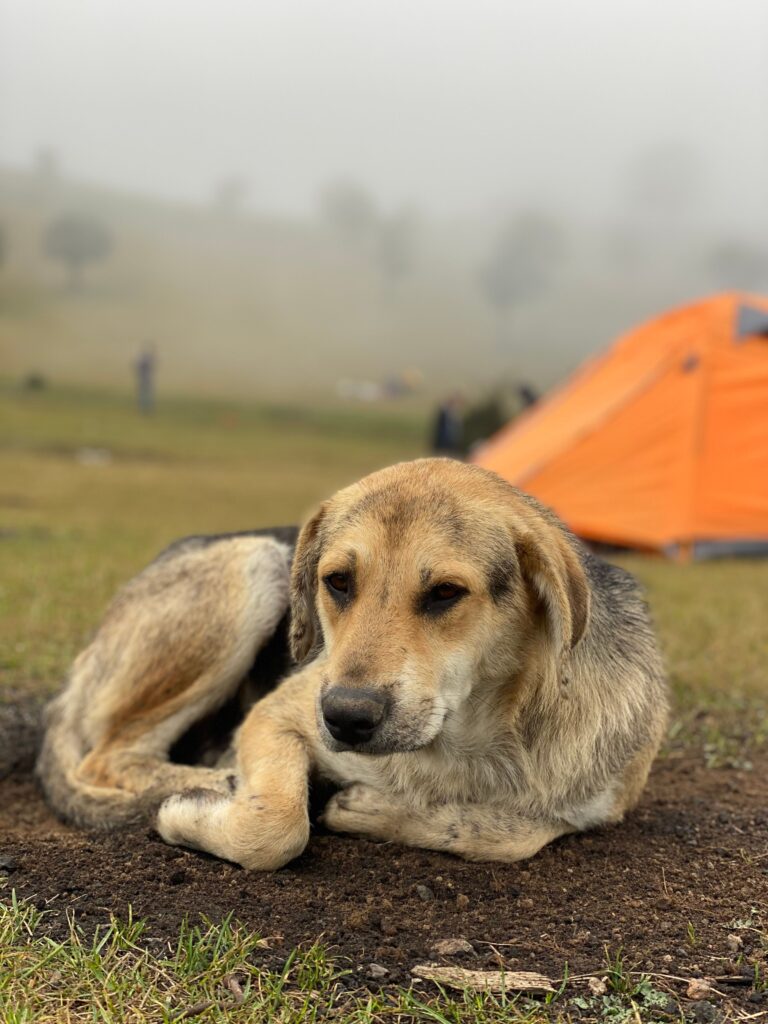
If you absolutely need to step away, keep it brief—think minutes, not hours. The longer your dog is alone, the more likely they are to become stressed or reactive. Short absences are far easier for dogs to handle.
Use Secure Containment
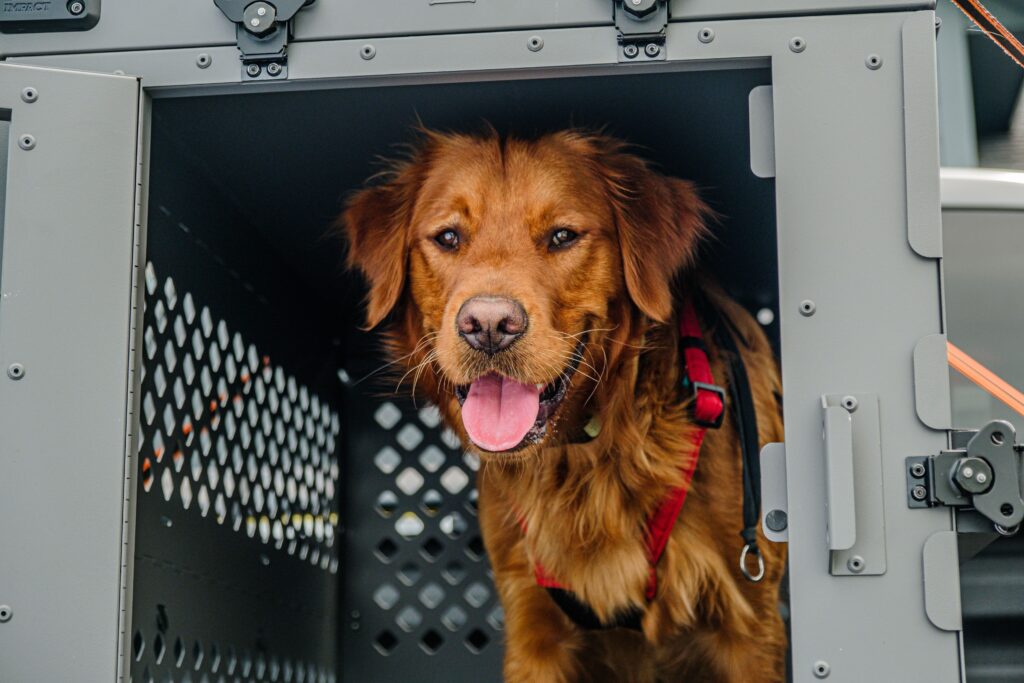
A crate or contained setup prevents your dog from roaming, escaping, or getting into unsafe situations. It also gives them a defined space, which can reduce anxiety. This is much safer than leaving them loose at a campsite. Pack one along with your camping gear.
Reduce Triggers Before You Leave
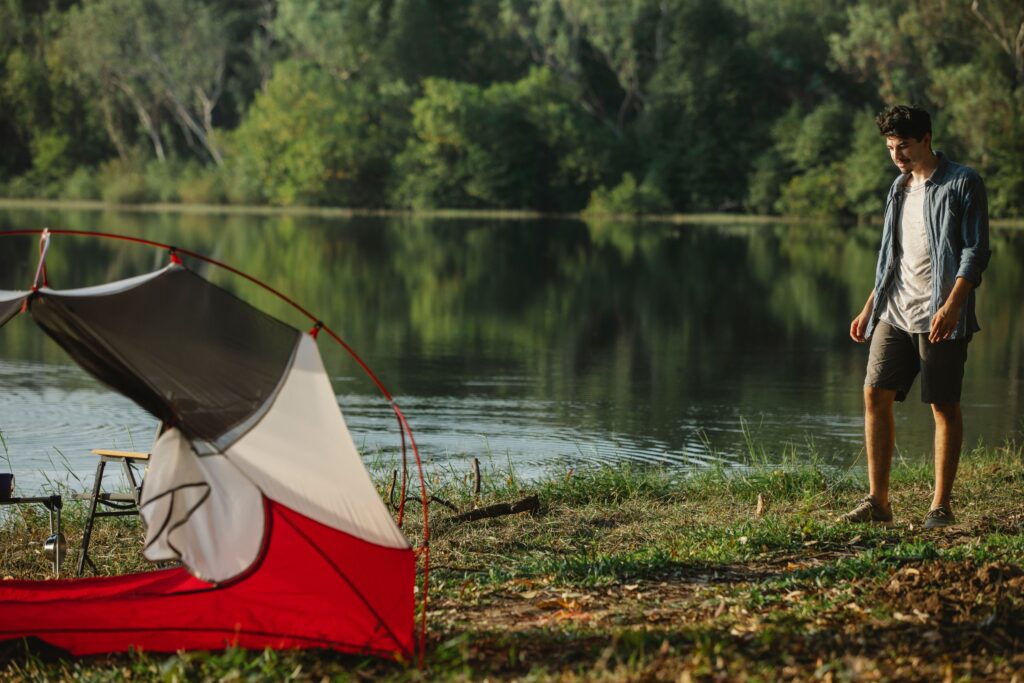
Before stepping away, lower stimulation around your dog by settling them, reducing noise, and avoiding high activity moments. A calm starting point makes a big difference in how they handle being alone. Leaving during chaos increases the chance of problems.
Test It First
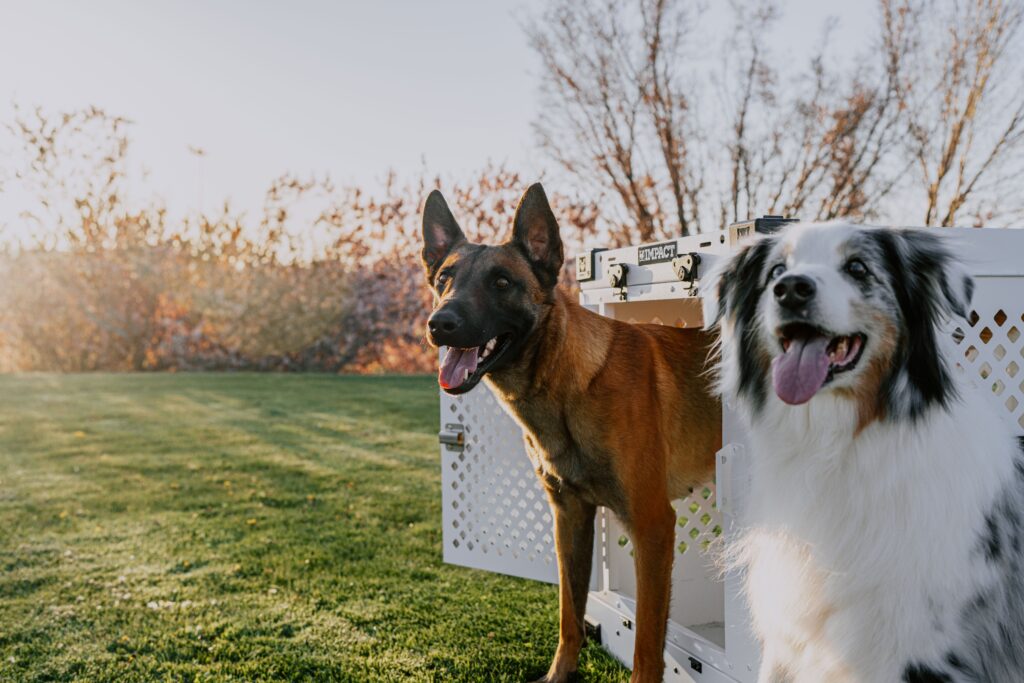
Start with very short test runs and observe how your dog reacts. If they bark, panic, or try to escape, they’re not ready to be left alone. Only increase time if they consistently stay calm.
What to Consider Before Leaving Your Dog Alone
Safety
Your dog should not be at risk from wildlife, weather, or escape.
Behavior
Only calm, well-adjusted dogs should be left alone, even briefly.
Environment
Busy or unpredictable campsites increase risk.
Duration
Short periods are much safer than extended time away.
Related:
How to Keep Your Dog Calm at Night While Camping
Why Your Dog Won’t Sleep While Camping (And How to Fix It)
How to Stop Your Dog From Getting Spooked at Night While Camping